
Polishing.
A clearer finish.
A clear finish starts with careful preparation. Our thick acrylic work combines edge sizing, progressive sanding and polishing to refine the panel faces and edges for the required application.

From Prepared Edges to Finished Faces
Prepare the panel edge
Edge preparation addresses the required size and surface condition before the final finishing stages.
Refine the viewing finish
Progressively finer abrasives and buffing are selected to suit the marks and finish required.
Review more than the gloss
Edge geometry, viewing-face condition and optical distortion remain part of the quality review.
Finishing Across Different Shapes

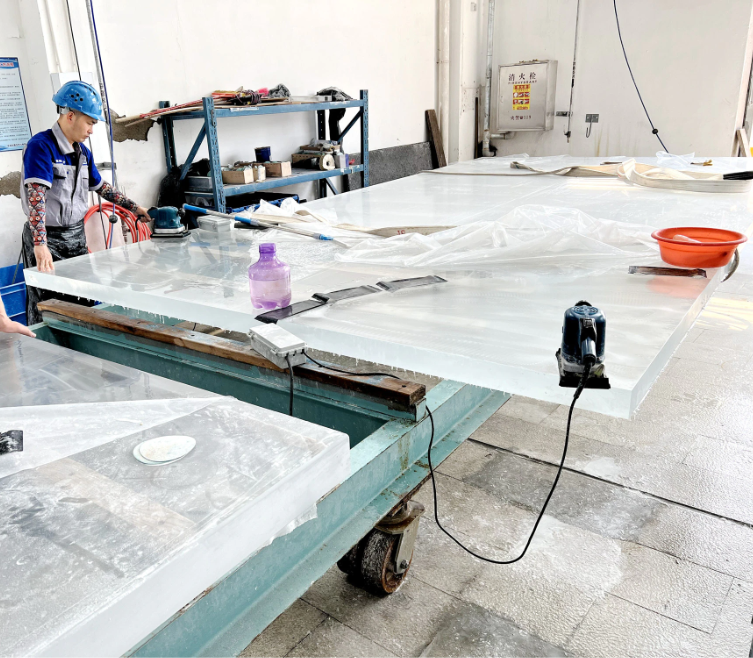
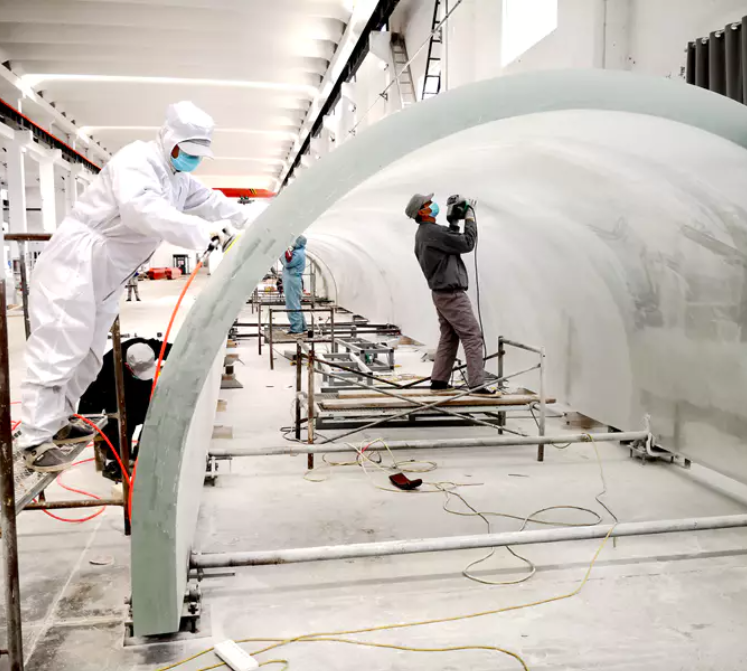
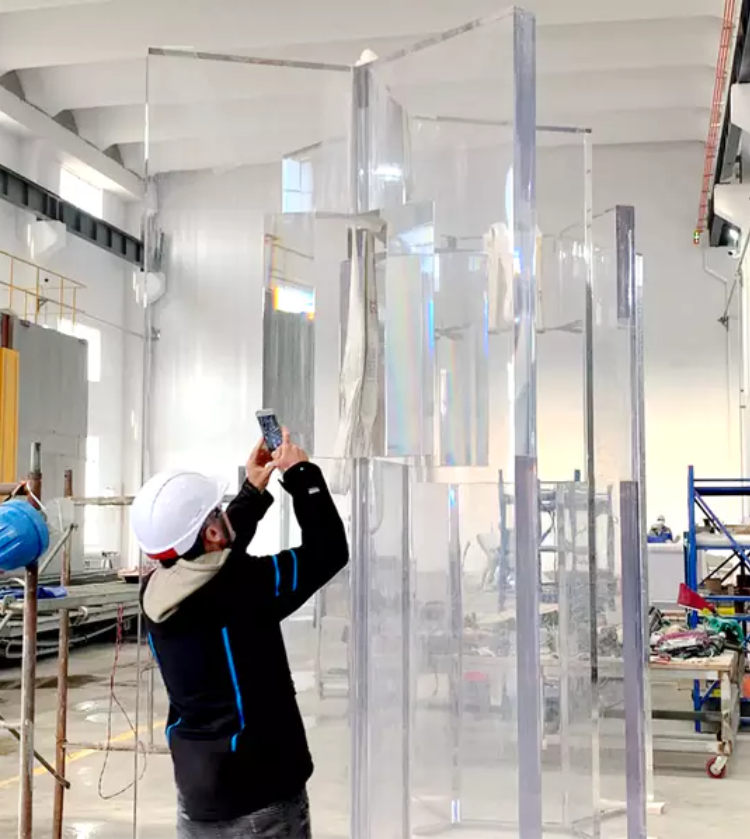
Handheld edge refinement along a thick upright acrylic panel.

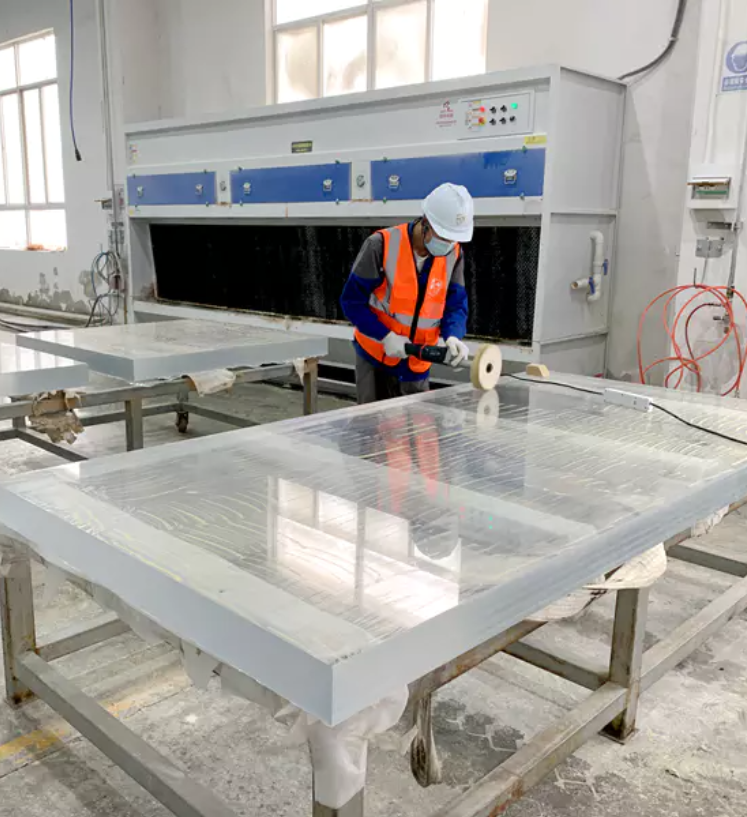
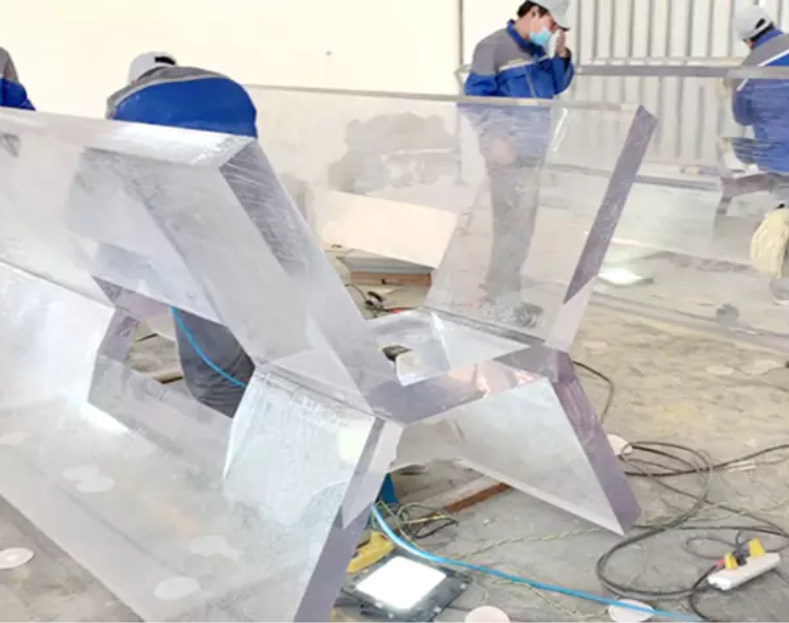
Localized surface and edge finishing under workshop task lighting.
Tools for Preparation & Buffing
Rotary cloth buffing wheels and portable belt-sanding equipment.

Multi-layer cotton buffing wheel used with polishing compound.

Portable abrasive belt tool for initial edge sizing and leveling.
Workshop Views & Finished Details
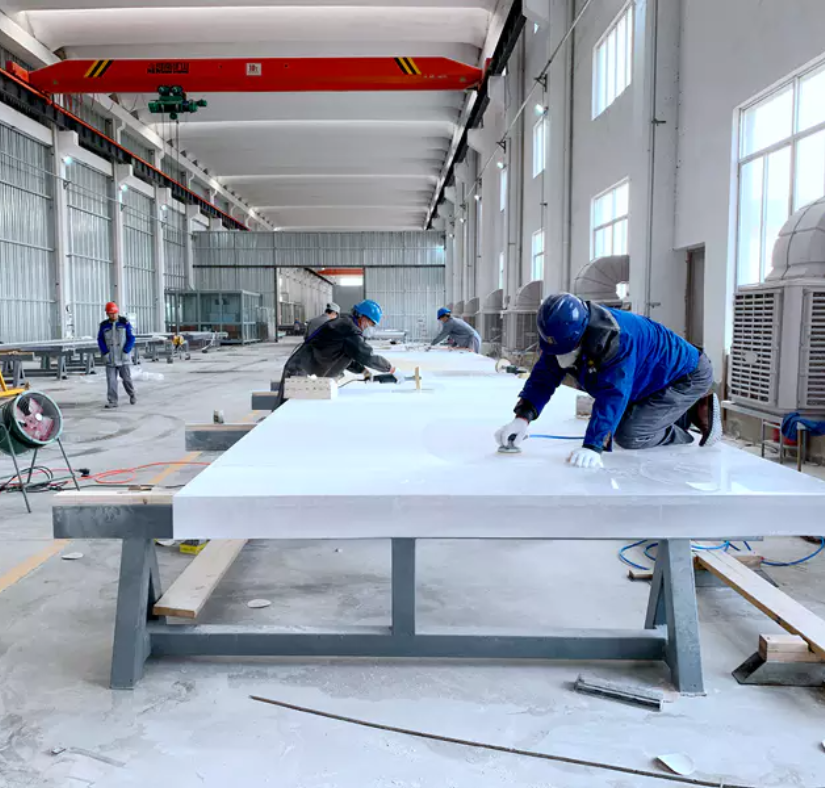
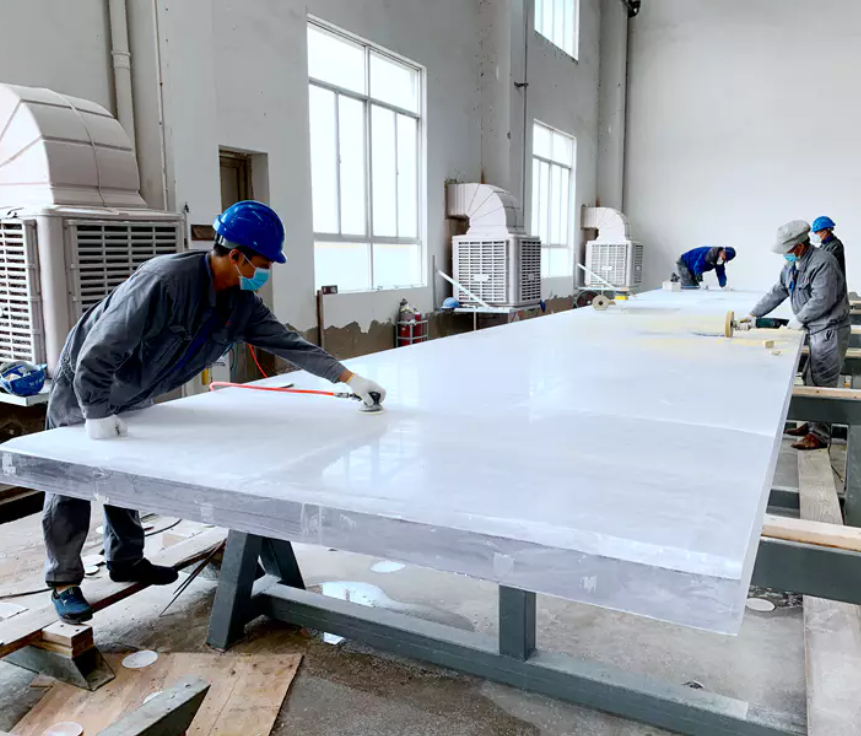
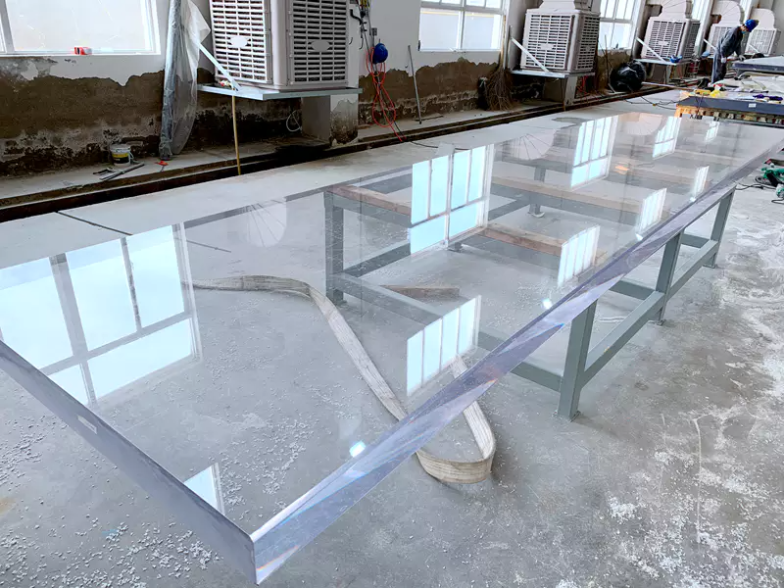
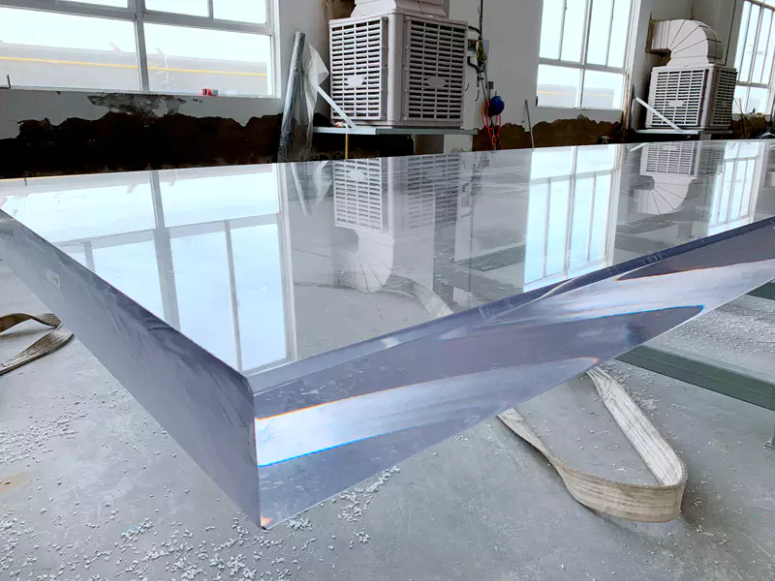
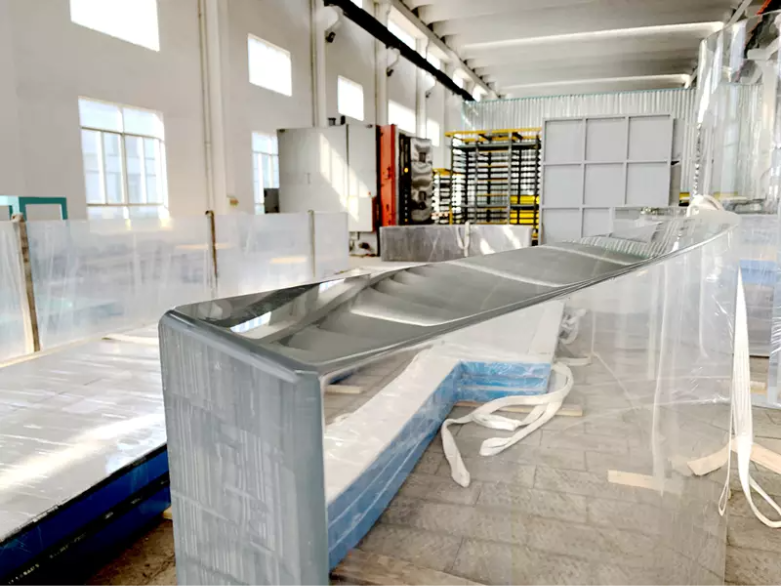
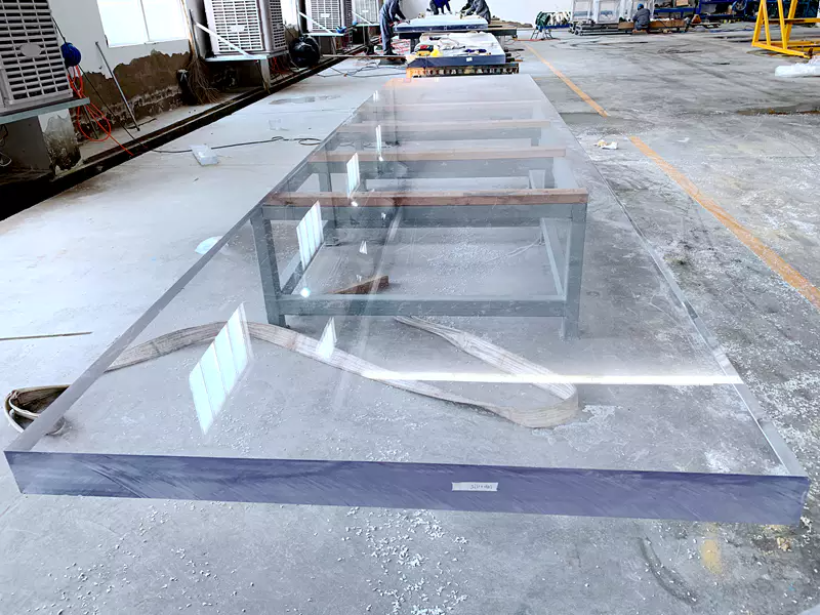
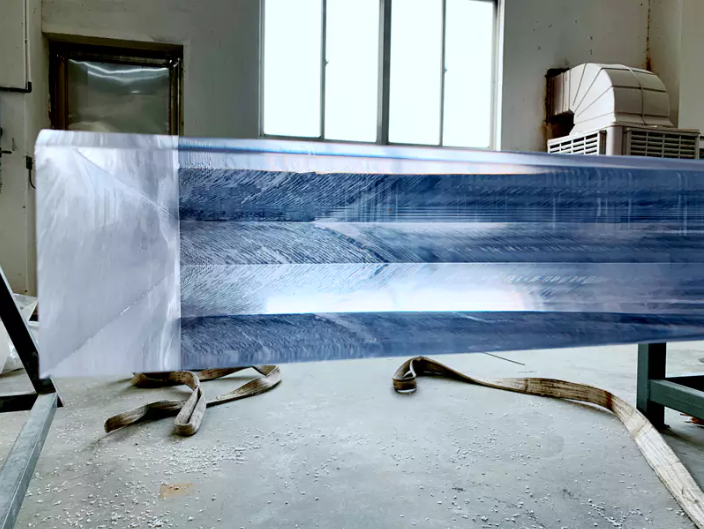
Flat panels, curved sections and custom components.
Clarity, Geometry & Surface Condition
Viewing-Face & Line-of-Sight Check
Polished faces and bonded seams are inspected under workshop task lighting to check for residual sanding haze, swirl marks or local optical distortion.
Frictional Heat & Stress Management
Tool speed and buffing pressure are controlled to prevent localized overheating, coordinated alongside stress-relief annealing within the production route.
Dimensional Review & Masking
Rebate steps and panel perimeters are checked against drawing dimensions before protective masking film is applied for final quality control.
About Acrylic Finishing
Common engineering questions regarding abrasive selection, surface gloss and heat control on thick cast panels.
Next Step: 08 Quality ControlDoes every panel start with the coarsest 60-grit abrasive?
No. Coarser grades (60 to 240 grit) are used when leveling machined edges, saw marks or polymerized bonding seams. Flat cast faces with minor handling marks begin at a finer intermediate grade so material is not unnecessarily removed.
Does a glossy surface guarantee optical quality on thick panels?
Surface gloss is only one part of the finish. If an area is buffed unevenly without progressive leveling, the panel can look shiny but still bend light and distort the view. Flatness across sanding stages is what preserves clean sightlines.
Why is heat control important during mechanical sanding and buffing?
Holding a high-speed buffing wheel stationary generates frictional heat that can soften the acrylic surface or induce localized stress. Technicians keep the tool moving across the work area and coordinate finishing with thermal annealing.